Leadership is one of the most valuable qualities in today’s competitive professional world, and the hospitality industry is no exception. Hotel management is not just about managing rooms, food, or guest services; it is about managing people, solving problems, making decisions under pressure, and delivering exceptional experiences. This is why hotel management courses are designed not only to teach technical knowledge but also to develop strong leadership skills that prepare students for real-world challenges.
Understanding Leadership in the Hospitality Industry
Leadership in the hospitality sector goes beyond giving instructions or managing a team. It involves inspiring staff, maintaining service quality, handling guest expectations, and ensuring smooth day-to-day operations. Hotels operate around the clock, and situations can change rapidly, requiring quick thinking and confident decision-making.
A good leader in this field must be able to communicate effectively, motivate employees, resolve conflicts, and maintain a positive work environment. Hotel management courses focus on nurturing these qualities from the beginning, helping students understand what it truly means to lead in a service-driven industry.
Practical Learning Builds Confidence
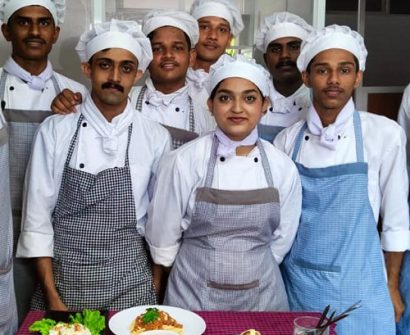
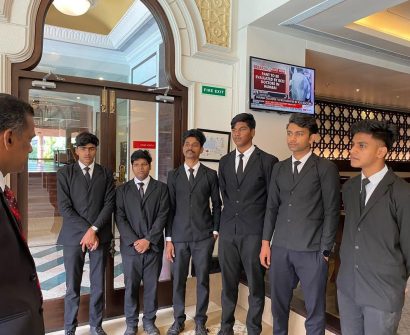
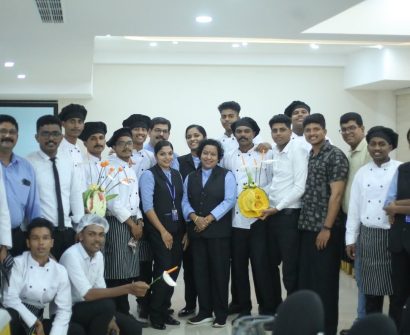
One of the most important aspects of hotel management education is its emphasis on practical training. Students are not limited to classroom learning; they are actively involved in real-life scenarios through lab sessions, internships, and on-the-job training. This hands-on experience plays a crucial role in building confidence, which is a key trait of a successful leader.
During training, students learn how to interact with guests, manage time efficiently, and handle unexpected situations. Facing real challenges during their learning phase helps them develop the courage to take initiative and make decisions independently. Confidence gained through practical exposure becomes the foundation of their leadership abilities.
Teamwork and Collaboration
The hospitality industry relies heavily on teamwork. From front office staff to kitchen teams and housekeeping, every department must work together seamlessly to deliver a great guest experience. Hotel management courses place strong emphasis on group activities, projects, and collaborative tasks to teach students the importance of teamwork.
Working in teams helps students understand different perspectives and learn how to coordinate with people from diverse backgrounds. It also teaches them how to delegate responsibilities, manage conflicts, and support team members. These experiences are essential for developing leadership qualities, as effective leaders know how to bring out the best in their teams.
Communication Skills Development
Clear and effective communication is at the heart of leadership. Hotel management courses focus extensively on improving students’ communication skills, both verbal and non-verbal. Students are trained to interact professionally with guests, colleagues, and management.
They learn how to listen actively, understand customer needs, and respond appropriately. Good communication also helps in resolving conflicts and maintaining strong relationships within the workplace. As students become more confident communicators, they naturally grow into leaders who can guide and influence others.
Decision-Making and Problem-Solving
In the hospitality industry, challenges can arise at any time. A guest complaint, a service delay, or an operational issue requires immediate attention. Hotel management courses train students to think critically and make quick, effective decisions.
Through case studies, simulations, and practical exercises, students are exposed to various scenarios that require problem-solving. They learn to analyze situations, consider possible solutions, and choose the best course of action. This ability to make sound decisions under pressure is a defining characteristic of strong leadership.
Time Management and Responsibility
Managing time efficiently is crucial in the fast-paced environment of hotels and hospitality services. Students are trained to handle multiple tasks simultaneously while maintaining high standards of service. This develops a sense of responsibility and discipline, which are essential traits for leadership roles.
As students progress in their training, they are often given responsibilities that mimic real managerial roles. Handling these responsibilities prepares them for future positions where they will need to oversee operations and manage teams effectively.
Exposure to Real-World Work Environments
Internships and industrial training are integral parts of hotel management courses. These experiences expose students to real work environments where they can observe and learn from experienced professionals. They get a firsthand understanding of how leaders operate in the hospitality industry.
Working in actual hotels or hospitality establishments allows students to apply their knowledge and refine their skills. It also helps them understand workplace dynamics, customer expectations, and operational challenges. This exposure plays a significant role in shaping their leadership style and professional attitude.
Building Emotional Intelligence
Leadership is not just about skills and knowledge; it also involves emotional intelligence. Hotel management courses help students develop empathy, patience, and the ability to understand others’ emotions. These qualities are particularly important in the hospitality industry, where dealing with people is a core aspect of the job.
Students learn how to stay calm under pressure, handle difficult situations gracefully, and maintain a positive attitude. Emotional intelligence enables them to build strong relationships with both guests and team members, making them more effective leaders.
Encouraging Creativity and Innovation
Modern hospitality demands creativity and innovation to stand out in a competitive market. Hotel management courses encourage students to think creatively, whether it is designing unique guest experiences, planning events, or developing new service concepts.
Creativity helps future leaders bring fresh ideas to the table and adapt to changing trends in the industry. It also boosts confidence and encourages students to take initiative, which is an important aspect of leadership.
Career Growth Through Leadership Skills
The leadership skills developed during hotel management courses play a crucial role in career advancement. Professionals who demonstrate strong leadership abilities are more likely to be promoted to supervisory and managerial roles.
As they gain experience, they can move into higher positions such as department heads, hotel managers, or even regional directors. Leadership skills also open doors to entrepreneurship, allowing individuals to start their own hospitality ventures and manage them successfully.
Conclusion
Hotel management courses do much more than prepare students for jobs in the hospitality industry. They shape individuals into confident, responsible, and capable leaders who can handle challenges, manage teams, and deliver exceptional service.
Through practical training, teamwork, communication, and real-world exposure, students develop the essential qualities needed to succeed in leadership roles. In an industry where customer satisfaction and teamwork are key, strong leadership skills make all the difference.
For anyone aspiring to build a successful career in hospitality, hotel management courses provide the perfect platform to develop both professional expertise and leadership excellence.