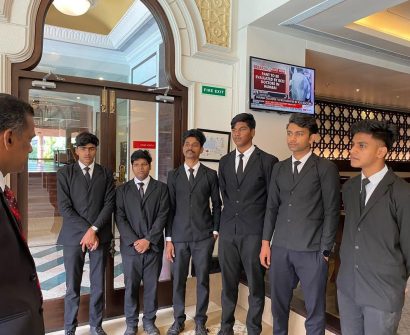
The world is changing rapidly, and so are career opportunities. Among the many professional paths available today, hotel management continues to stand out as one of the most dynamic, rewarding, and future-ready careers. As we step into 2026, the hospitality industry is witnessing tremendous growth driven by global travel, digital transformation, and evolving customer expectations. This growth has created a strong demand for skilled professionals who can manage operations, deliver exceptional service, and lead teams effectively.
Choosing a career in hotel management is no longer limited to working in hotels alone. It is a gateway to a wide range of opportunities across industries, both in India and abroad. With the right education and training, students can build a successful and fulfilling career in this ever-expanding field.
A Rapidly Growing Global Industry
One of the most compelling reasons to choose hotel management in 2026 is the continuous growth of the global hospitality industry. Travel and tourism have rebounded strongly, with more people exploring new destinations for leisure, business, and personal experiences. This surge has increased the demand for hotels, resorts, and hospitality services worldwide.
India, in particular, is emerging as a major tourism hub due to its cultural diversity, heritage sites, and improving infrastructure. The development of smart cities, better connectivity, and government initiatives to promote tourism are contributing to the rapid expansion of the hospitality sector. As new hotels and resorts are established, the need for trained professionals continues to rise.
Diverse Career Opportunities Across Sectors
Hotel management is a versatile career that opens doors to multiple industries. While many associate it with hotels, the scope extends far beyond traditional hospitality roles. Professionals can explore opportunities in airlines, cruise lines, luxury resorts, event management companies, and corporate organizations.
The skills acquired during hotel management courses, such as communication, customer service, and operations management, are transferable across industries. This flexibility allows individuals to switch career paths or explore new roles based on their interests and goals. Whether working in a five-star hotel or managing a large-scale event, the possibilities are extensive.
Global Career Opportunities and Exposure
In 2026, globalization continues to shape career choices, and hotel management offers excellent opportunities to work abroad. Countries with strong tourism industries are constantly looking for skilled professionals who can maintain high service standards.
Working internationally provides exposure to different cultures, advanced hospitality practices, and global work environments. It also enhances personal growth and broadens professional perspectives. Indian hospitality professionals are highly valued worldwide for their adaptability and dedication, making it easier to secure jobs in international markets.
High Demand for Skilled Professionals
The hospitality industry is highly service-oriented, which means there is always a need for trained and skilled individuals. Unlike some industries that face automation challenges, hospitality relies heavily on human interaction and personalized service.
In 2026, the demand for professionals who can combine technical expertise with soft skills is stronger than ever. Employers are looking for individuals who can communicate effectively, handle customer expectations, and manage operations efficiently. This consistent demand ensures job stability and long-term career growth.
Opportunities for Fast Career Growth
Hotel management is known for offering clear and structured career progression. Individuals often start in entry-level roles and gradually move up to supervisory and managerial positions. With dedication and performance, promotions can happen relatively quickly compared to many other industries.
The industry rewards hard work, experience, and skill development. As professionals gain expertise, they can take on leadership roles, manage departments, or even oversee entire hotel operations. This fast-paced growth makes hotel management an attractive career choice for ambitious individuals.
Development of Strong Leadership Skills
A career in hotel management naturally builds leadership qualities. Professionals are required to manage teams, coordinate departments, and ensure smooth operations. This environment helps individuals develop confidence, decision-making abilities, and problem-solving skills.
Leadership in hospitality is about guiding teams, motivating staff, and maintaining high service standards. Hotel management courses focus on nurturing these skills through practical training and real-world exposure, preparing students to take on leadership roles early in their careers.
Creative and Dynamic Work Environment
Unlike routine desk jobs, hotel management offers a dynamic and engaging work environment. Every day brings new challenges, interactions, and experiences. Professionals have the opportunity to meet people from different backgrounds, cultures, and countries.
The industry also encourages creativity, whether it is in designing guest experiences, organizing events, or developing innovative service concepts. This makes the career exciting and fulfilling, especially for individuals who enjoy variety and creativity in their work.
Entrepreneurship and Business Opportunities
Hotel management is not limited to employment; it also provides a strong foundation for entrepreneurship. With the rise of startups and digital platforms, starting a hospitality business has become more accessible than ever.
In 2026, there is a growing demand for unique dining experiences, boutique stays, and personalized services. This creates opportunities for individuals to start their own restaurants, cafes, cloud kitchens, or homestays. The knowledge and skills gained through hotel management courses make it easier to manage and grow such ventures successfully.
Integration of Technology in Hospitality
Technology is playing an increasingly important role in the hospitality industry. From online booking systems and mobile apps to artificial intelligence and data analytics, digital tools are transforming operations and customer experiences.
Hotel management professionals who are comfortable with technology have a competitive advantage. Courses now include training on modern systems and tools, ensuring that students are well-prepared for the digital future of hospitality. This integration of technology adds a modern and innovative dimension to the career.
Focus on Personalized Guest Experiences
In 2026, guests expect more than just basic services. They seek personalized and memorable experiences that cater to their preferences. This shift has increased the importance of customer-centric approaches in hospitality.
Professionals who can understand guest needs and deliver customized services are highly valued. This focus on personalization enhances job satisfaction, as individuals can create meaningful experiences and leave a lasting impression on guests.
Financial Stability and Attractive Salaries
Hotel management offers competitive salary packages, especially as professionals gain experience and move into higher roles. While entry-level salaries may be modest, the potential for growth is significant.
International opportunities often come with higher pay and additional benefits such as accommodation, travel allowances, and incentives. Over time, experienced professionals can achieve financial stability and enjoy a comfortable lifestyle.
Building a Strong Professional Network
Working in the hospitality industry allows individuals to build a wide network of professional contacts. Interacting with guests, colleagues, and industry experts helps in creating valuable connections.
Networking plays an important role in career growth, as it can lead to new opportunities, collaborations, and career advancements. The relationships built in this industry often extend beyond professional boundaries, adding to personal growth as well.
Enhancing Personal Development
A career in hotel management contributes significantly to personal development. It helps individuals become more confident, disciplined, and adaptable. Dealing with diverse situations and people enhances emotional intelligence and cultural awareness.
These qualities are not only beneficial in professional life but also in personal growth. The ability to handle challenges, communicate effectively, and maintain a positive attitude becomes a lifelong asset.
A Career with Global Recognition
Hotel management is a globally recognized profession. Skills and experience gained in this field are valued across countries, making it easier to work in different parts of the world.
This global recognition ensures that professionals have the flexibility to explore international opportunities and build a career without geographical limitations. It also adds prestige and credibility to the profession.
Contribution to the Tourism Industry
Hospitality professionals play a key role in promoting tourism and creating positive experiences for travelers. Their work directly impacts how a destination is perceived by visitors.
By delivering excellent service, they contribute to the growth of tourism and the economy. This sense of contribution adds purpose and meaning to the career, making it more fulfilling.
Conclusion
Choosing a career in hotel management in 2026 is a smart and future-focused decision. With the rapid growth of the hospitality industry, increasing global opportunities, and the integration of technology, the field offers immense potential for success.
From diverse career options and fast growth to entrepreneurship opportunities and personal development, hotel management provides a well-rounded and rewarding career path. For individuals who are passionate about service, enjoy interacting with people, and seek a dynamic work environment, this field offers endless possibilities.
With the right education, training, and dedication, a career in hotel management can lead to a successful, stable, and globally recognized future.