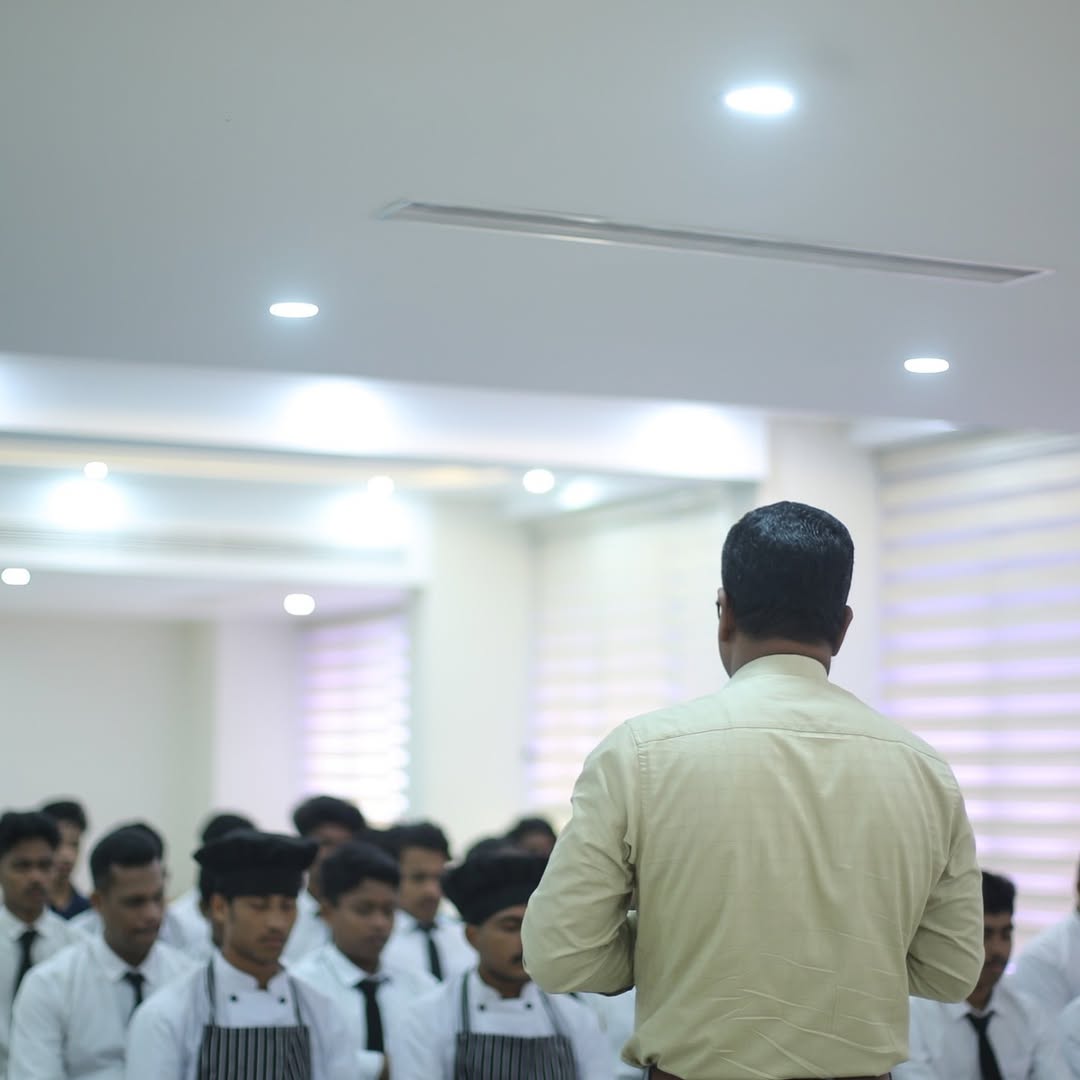
The hospitality industry is one of the most exciting and fast-growing sectors in the world, offering endless opportunities for individuals who are passionate about service, travel, and people. A hotel management institute does much more than prepare students for jobs in hotels; it shapes them into skilled professionals who can thrive in a dynamic, global environment.
One of the biggest advantages of studying hotel management is the wide range of practical and professional skills students develop during their course. These skills are not only valuable in the hospitality industry but are also transferable to many other fields. From communication and leadership to technical expertise and problem-solving, a hotel management institute equips students with everything they need to succeed.
In this blog, we explore ten essential skills you will learn at a hotel management institute and how they contribute to building a successful career.
Communication Skills
Communication is the foundation of the hospitality industry. At a hotel management institute, students are trained to communicate clearly, confidently, and professionally. They learn how to interact with guests, handle inquiries, and provide information in a polite and friendly manner.
Effective communication also includes active listening, which helps in understanding guest needs and delivering personalized services. Students practice both verbal and non-verbal communication, ensuring they can create a positive impression in every interaction. Strong communication skills not only improve customer satisfaction but also enhance teamwork and workplace relationships.
Customer Service Excellence
Providing exceptional customer service is at the heart of hospitality. Hotel management students are trained to prioritize guest satisfaction and go the extra mile to create memorable experiences. They learn how to anticipate guest needs, respond to requests promptly, and handle special requirements with care.
Customer service training also focuses on maintaining professionalism, even in challenging situations. By understanding the importance of service quality, students develop a mindset that values customer happiness as a key measure of success.
Leadership and Team Management
Leadership is a crucial skill for anyone aspiring to grow in the hospitality industry. At a hotel management institute, students are given opportunities to lead teams, manage tasks, and take responsibility for various activities.
They learn how to motivate team members, delegate tasks effectively, and ensure smooth coordination between departments. Leadership training also involves developing decision-making skills and the ability to handle pressure. These experiences prepare students for managerial roles where they will be responsible for overseeing operations and guiding teams.
Time Management and Multitasking
The hospitality industry is fast-paced, requiring professionals to handle multiple tasks simultaneously. Hotel management students are trained to manage their time efficiently and prioritize tasks based on urgency and importance.
Through practical sessions and real-world training, they learn how to balance different responsibilities without compromising service quality. This skill is particularly important during peak hours when quick thinking and efficient execution are essential.
Problem-Solving and Decision-Making
Challenges are a part of everyday life in the hospitality industry. Whether it is handling a guest complaint, managing unexpected situations, or resolving operational issues, problem-solving skills are essential.
At a hotel management institute, students are exposed to various scenarios that require quick thinking and effective decision-making. They learn how to analyze situations, consider possible solutions, and choose the best course of action. This ability to handle challenges confidently is a key trait of successful hospitality professionals.
Culinary and Food Production Skills
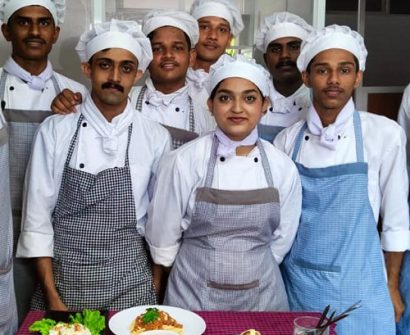
Food is an integral part of hospitality, and hotel management courses often include training in culinary arts. Students learn the basics of food preparation, presentation, and kitchen operations.
This training not only helps aspiring chefs but also gives all students a better understanding of how the kitchen functions. Knowledge of food production enhances coordination between departments and ensures that service runs smoothly.
Housekeeping and Operations Management
Housekeeping is one of the most important departments in any hospitality establishment. Students learn how to maintain cleanliness, hygiene, and organization in guest rooms and public areas.
They are also introduced to operations management, which involves planning, organizing, and supervising daily activities. Understanding these processes helps students appreciate the importance of maintaining high standards and delivering consistent quality.
Front Office and Guest Handling Skills
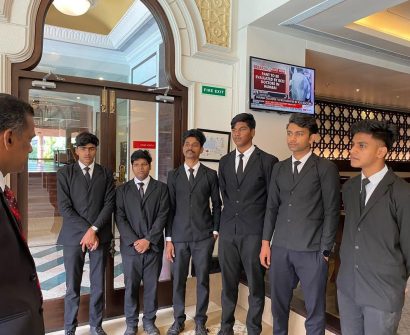
The front office is the face of any hotel, and students receive specialized training in managing this crucial department. They learn how to handle check-ins and check-outs, manage reservations, and provide information to guests.
Guest handling skills involve dealing with different types of customers, understanding their expectations, and ensuring a pleasant experience. This training builds confidence and prepares students to interact with guests professionally.
Cultural Awareness and Adaptability
The hospitality industry brings together people from different cultures and backgrounds. Hotel management students are taught to respect diversity and adapt to various cultural norms.
They learn how to communicate effectively with international guests and provide services that meet diverse expectations. Cultural awareness enhances interpersonal skills and prepares students for global career opportunities.
Professional Etiquette and Personality Development
Professionalism is a key aspect of hospitality, and hotel management institutes place strong emphasis on etiquette and personality development. Students are trained in grooming, body language, and workplace behavior.
They learn how to present themselves confidently and maintain a positive attitude in all situations. Personality development programs help students build self-confidence, improve their appearance, and develop a professional image that is essential for career success.
Technology and Digital Skills in Hospitality
Modern hospitality relies heavily on technology, and students are trained to use various digital tools and systems. These include reservation software, billing systems, and customer relationship management tools.
Understanding technology helps students work efficiently and stay updated with industry trends. As the hospitality industry continues to evolve, digital skills are becoming increasingly important for career growth.
Emotional Intelligence and Interpersonal Skills
Working in hospitality requires a high level of emotional intelligence. Students learn how to understand and manage their emotions, as well as empathize with others.
This skill is particularly important when dealing with guests and colleagues. Being able to remain calm, patient, and positive in challenging situations helps in building strong relationships and maintaining a pleasant work environment.
Sales and Marketing Skills
Hotel management courses also introduce students to the basics of sales and marketing. They learn how to promote services, attract customers, and enhance brand visibility.
Understanding marketing strategies helps professionals contribute to business growth and improve revenue generation. This knowledge is valuable for those who aspire to move into managerial or entrepreneurial roles.
Entrepreneurial Thinking
Many hotel management students dream of starting their own business, and institutes encourage this mindset by teaching entrepreneurial skills. Students learn how to plan, manage, and grow a business in the hospitality sector.
They are exposed to concepts such as budgeting, resource management, and customer acquisition. This knowledge empowers them to explore opportunities beyond traditional employment.
Conclusion
A hotel management institute provides much more than technical education; it builds a strong foundation of skills that shape students into confident and capable professionals. From communication and leadership to technical expertise and emotional intelligence, the skills learned during the course are essential for success in the hospitality industry and beyond.
These skills not only open doors to diverse career opportunities but also contribute to personal growth and development. For anyone looking to build a dynamic, rewarding, and globally recognized career, enrolling in a hotel management institute is a step in the right direction.
With the right training, dedication, and passion, students can transform these skills into a successful career and achieve their goals in the ever-growing world of hospitality.