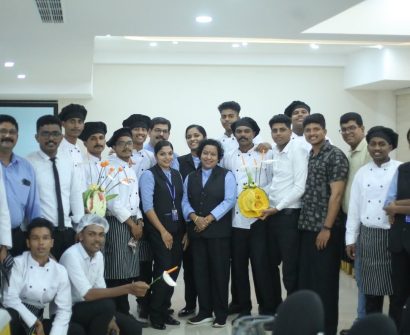
The hospitality industry is one of the most exciting and rapidly growing sectors in the world, offering countless opportunities for individuals who are passionate about service, leadership, and people management. Among the many roles within this industry, the position of a hotel manager stands out as one of the most prestigious and rewarding. A hotel manager is responsible for overseeing daily operations, ensuring guest satisfaction, managing staff, and driving the overall success of the establishment.
Becoming a successful hotel manager is not an overnight journey. It requires a combination of education, practical experience, skill development, and continuous learning. This step-by-step guide will help you understand the path you need to follow to achieve your goal and build a successful career in hotel management.
Understanding the Role of a Hotel Manager
Before pursuing a career as a hotel manager, it is important to understand what the role involves. A hotel manager is responsible for ensuring that all departments within the hotel operate smoothly. This includes managing the front office, housekeeping, food and beverage services, and administrative functions.
The role requires strong leadership skills, excellent communication, and the ability to make quick decisions. Hotel managers must handle guest concerns, coordinate with staff, maintain service standards, and ensure that the business remains profitable. Understanding these responsibilities helps aspiring professionals prepare for the challenges and expectations of the role.
Step 1: Choose the Right Educational Path
The first step toward becoming a hotel manager is obtaining the right education. A diploma or degree in hotel management or hospitality management provides a strong foundation in the field. These courses cover essential subjects such as front office operations, food production, housekeeping, customer service, and business management.
Formal education not only builds technical knowledge but also helps students develop soft skills such as communication, teamwork, and leadership. Choosing a reputed institute with practical training facilities can significantly enhance learning and career prospects.
Step 2: Gain Practical Training and Internships
Practical experience is crucial in the hospitality industry. Most hotel management courses include internships or industrial training as part of the curriculum. These training programs allow students to work in real hotel environments and gain hands-on experience.
During internships, students learn how different departments function and how to handle real-life situations. This exposure helps them build confidence, improve their skills, and understand industry standards. Internships also provide an opportunity to network with professionals and gain valuable insights into the industry.
Step 3: Start with Entry-Level Positions
After completing education and training, the next step is to start working in entry-level positions. These roles may include front office assistant, housekeeping staff, food and beverage service associate, or kitchen trainee.
Starting from the ground level is important because it provides a clear understanding of how each department operates. It also helps individuals develop essential skills such as teamwork, time management, and customer service. Gaining experience in different roles builds a strong foundation for future growth.
Step 4: Develop Strong Communication Skills
Communication is one of the most important skills for a hotel manager. Professionals in this role must interact with guests, staff, and management on a daily basis. Clear and effective communication helps in understanding guest needs, resolving issues, and maintaining smooth operations.
Improving communication skills involves practicing active listening, speaking confidently, and maintaining professionalism in all interactions. Strong communication also plays a key role in building relationships and creating a positive work environment.
Step 5: Build Leadership and Team Management Skills
Leadership is a defining quality of a successful hotel manager. As professionals progress in their careers, they are given responsibilities to manage teams and oversee operations. Developing leadership skills early can make a significant difference in career growth.
Leadership involves motivating team members, delegating tasks, and ensuring that everyone works towards a common goal. It also requires the ability to handle conflicts, make decisions, and maintain a positive work culture. Hotel management courses and practical experiences help in nurturing these skills.
Step 6: Gain Experience Across Departments
To become a successful hotel manager, it is important to have knowledge of all departments within a hotel. This includes front office, housekeeping, food and beverage, and administration.
Working in different departments provides a comprehensive understanding of hotel operations. It also helps professionals identify their strengths and areas of interest. This multi-department experience is essential for handling managerial responsibilities effectively.
Step 7: Focus on Customer Service Excellence
Customer satisfaction is the core of the hospitality industry. A successful hotel manager must ensure that guests have a pleasant and memorable experience. This requires a strong focus on customer service.
Professionals must learn how to anticipate guest needs, handle complaints, and deliver personalized services. Going the extra mile to exceed guest expectations can significantly enhance the reputation of the hotel and contribute to its success.
Step 8: Learn Time Management and Multitasking
Hotel managers often handle multiple responsibilities simultaneously. From supervising staff and managing operations to addressing guest concerns, the role requires excellent time management skills.
Learning how to prioritize tasks, manage schedules, and stay organized is essential for handling the demands of the job. Effective time management ensures that all tasks are completed efficiently without compromising service quality.
Step 9: Stay Updated with Industry Trends
The hospitality industry is constantly evolving with new trends, technologies, and customer expectations. Staying updated with these changes is important for long-term success.
Professionals should keep learning about digital tools, sustainable practices, and innovative service concepts. Continuous learning helps in adapting to industry changes and maintaining a competitive edge.
Step 10: Pursue Advanced Certifications and Training
As individuals gain experience, pursuing advanced certifications or specialized training can enhance their career prospects. These programs provide deeper knowledge and expertise in specific areas of hotel management.
Advanced training can open doors to higher positions and leadership roles. It also demonstrates a commitment to professional growth, which is valued by employers.
Step 11: Build a Professional Network
Networking plays a crucial role in career development. Building relationships with colleagues, mentors, and industry professionals can create new opportunities and provide valuable guidance.
Attending industry events, participating in workshops, and staying connected with peers can help in expanding one’s professional network. A strong network can support career growth and open doors to new possibilities.
Step 12: Develop a Positive Attitude and Work Ethic
Success in hotel management requires dedication, patience, and a positive attitude. The hospitality industry can be demanding, with long hours and high expectations. Maintaining a strong work ethic and staying motivated is essential.
A positive attitude helps in handling challenges effectively and creating a pleasant work environment. It also influences team morale and contributes to overall success.
Step 13: Aim for Managerial Positions
With experience and skill development, professionals can move into supervisory and managerial roles. Positions such as assistant manager, department head, and operations manager are stepping stones toward becoming a hotel manager.
These roles involve greater responsibilities and require strong leadership and decision-making abilities. Performing well in these positions prepares individuals for the role of a hotel manager.
Step 14: Master Financial and Business Management
A successful hotel manager must understand the business side of hospitality. This includes budgeting, revenue management, cost control, and financial planning.
Learning how to manage finances and make strategic decisions is essential for ensuring profitability. Business management skills help in running the hotel efficiently and achieving long-term success.
Step 15: Achieve the Role of Hotel Manager
After years of education, training, and experience, individuals can achieve their goal of becoming a hotel manager. At this stage, they are responsible for overseeing all aspects of hotel operations and ensuring overall success.
The journey does not end here. Successful hotel managers continue to learn, adapt, and grow in their roles. They strive to improve service quality, enhance guest experiences, and lead their teams effectively.
Conclusion
Becoming a successful hotel manager requires a clear vision, dedication, and continuous effort. From choosing the right education and gaining practical experience to developing essential skills and staying updated with industry trends, each step plays a crucial role in shaping a successful career.
The hospitality industry offers immense opportunities for growth and global exposure. For individuals who are passionate about service, leadership, and creating memorable experiences, the journey to becoming a hotel manager is both challenging and rewarding.
With the right mindset, training, and commitment, anyone can achieve success in this dynamic and exciting field, building a career that is both fulfilling and globally recognized.