Choosing a career in hotel management is not just about studying from textbooks; it is about experiencing a dynamic, practical, and exciting learning journey. Unlike many traditional courses, hotel management education combines classroom learning with hands-on training, personality development, and real-world exposure.
For students who are passionate about hospitality, every day at a hotel management institute is filled with learning, interaction, and skill-building. From early morning practical sessions to group activities and industry-focused training, the routine is designed to prepare students for the fast-paced world of hospitality.
Let’s take a closer look at what a typical day in the life of a hotel management student looks like.
Starting the Day with Discipline and Preparation
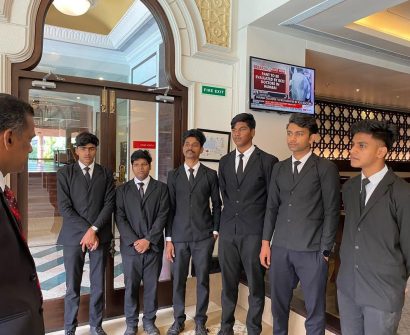
A hotel management student’s day usually begins early. The hospitality industry values discipline, punctuality, and presentation, and these habits are developed during the training itself. Students start their day by getting ready in proper uniform, ensuring they maintain grooming standards such as neat appearance, clean attire, and professional posture.
This morning routine is not just about appearance; it instills a sense of responsibility and professionalism. Students learn that first impressions matter, and this principle becomes a part of their daily life.
Morning Briefings and Class Sessions
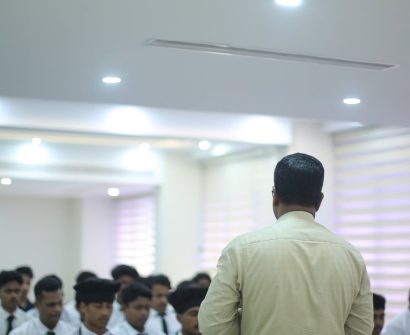
The day often begins with a briefing session where instructors outline the schedule, tasks, and learning objectives for the day. These briefings help students stay organized and understand what is expected of them.
Classroom sessions follow, covering subjects such as front office operations, food and beverage service, housekeeping management, and hospitality marketing. Unlike traditional lectures, these classes are interactive and practical. Students are encouraged to participate, ask questions, and engage in discussions.
Instructors often use real-life examples and case studies to explain concepts, making learning more relevant and interesting. This approach helps students understand how theoretical knowledge applies to real-world situations.
Practical Training in Labs
One of the most exciting parts of a hotel management student’s day is practical training. Institutes are equipped with specialized labs that simulate real hotel environments, such as training kitchens, mock front offices, and housekeeping labs.
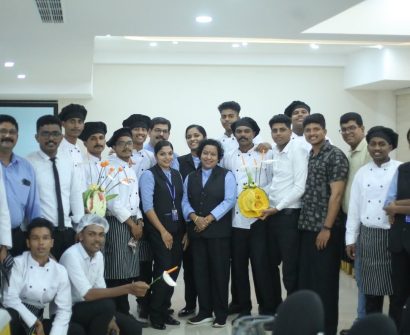
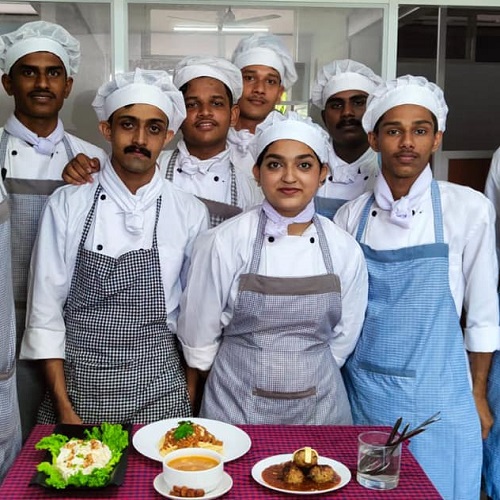
In the kitchen, students learn basic cooking techniques, food preparation, and presentation. They get hands-on experience in handling equipment, following hygiene standards, and working as a team.
In the front office lab, students practice handling guest check-ins, reservations, and inquiries. They learn how to communicate professionally and manage guest interactions effectively.
Housekeeping sessions teach students how to maintain cleanliness, organize rooms, and ensure high standards of hygiene. These practical sessions help students gain confidence and prepare them for real-world responsibilities.
Learning the Importance of Teamwork
Teamwork is an essential part of hospitality, and students experience it daily. Whether it is preparing a meal in the kitchen or managing a mock hotel scenario, students work in groups to complete tasks.
These activities teach them how to coordinate with others, share responsibilities, and support team members. They also learn how to handle conflicts and maintain a positive work environment.
Working as part of a team helps students develop leadership qualities and understand the importance of collaboration in achieving success.
Lunch Break and Informal Learning
The lunch break is not just a time to relax; it is also an opportunity for informal learning and interaction. Students often discuss their experiences, share ideas, and learn from each other.
This time helps in building friendships and strengthening relationships among classmates. It also provides a chance to observe dining etiquette and understand service standards, which are important aspects of hospitality training.
Afternoon Sessions and Skill Development
Afternoon sessions may include additional practical classes, workshops, or skill development activities. These sessions focus on enhancing communication skills, personality development, and professional etiquette.
Students may participate in role-playing exercises where they act out real-life scenarios, such as handling a difficult guest or managing a service delay. These activities help them develop problem-solving skills and build confidence.
Workshops on topics like customer service, leadership, and time management further prepare students for the challenges of the industry.
Exposure to Industry Standards
Hotel management institutes often invite industry experts for guest lectures and seminars. These sessions provide valuable insights into current trends, expectations, and opportunities in the hospitality sector.
Students get the chance to learn from experienced professionals, ask questions, and gain practical knowledge that goes beyond textbooks. This exposure helps them stay updated and motivated to achieve their career goals.
Assignments and Practice
After classes, students may spend time completing assignments, practicing skills, or preparing for assessments. This could include writing reports, planning menus, or practicing service techniques.
Practice is an essential part of hotel management education. The more students practice, the more confident and skilled they become. This continuous learning process ensures they are well-prepared for real-world challenges.
Internship Preparation and Career Planning
As students progress in their course, a significant part of their routine involves preparing for internships and future careers. Institutes provide guidance on resume building, interview preparation, and placement opportunities.
Students learn how to present themselves professionally, communicate effectively during interviews, and understand industry expectations. This preparation plays a crucial role in securing internships and job placements.
Evening Reflection and Personal Growth
At the end of the day, students often reflect on what they have learned. This reflection helps them identify their strengths and areas for improvement.
Hotel management education encourages continuous self-improvement. Students are motivated to work on their skills, maintain discipline, and develop a positive attitude.
Personal growth is a key outcome of this journey, as students become more confident, adaptable, and professional.
Balancing Studies and Personal Life
While the schedule can be busy, students also find time to relax and pursue personal interests. Many institutes organize extracurricular activities, cultural events, and competitions that allow students to showcase their talents.
These activities provide a balance between academic and personal life, making the learning experience enjoyable and fulfilling.
Preparing for a Dynamic Career
Every day in the life of a hotel management student is a step toward building a successful career. The combination of theoretical knowledge, practical training, and skill development prepares students for the demands of the hospitality industry.
By the time they complete their course, students are equipped with the confidence, skills, and experience needed to excel in their roles.
Conclusion
A day in the life of a hotel management student is far from ordinary. It is a journey filled with learning, challenges, and exciting experiences that shape individuals into skilled professionals.
From early morning discipline to hands-on training and teamwork, every aspect of the routine is designed to prepare students for the real world. The experience not only builds professional skills but also contributes to personal growth and development.
For those who are passionate about hospitality and aspire to build a dynamic and rewarding career, the life of a hotel management student offers the perfect foundation. It is a journey that transforms ambition into achievement and prepares individuals for success in the ever-growing world of hospitality.